Beginner’s Guide to Periodontal Treatment for Bleeding Gums
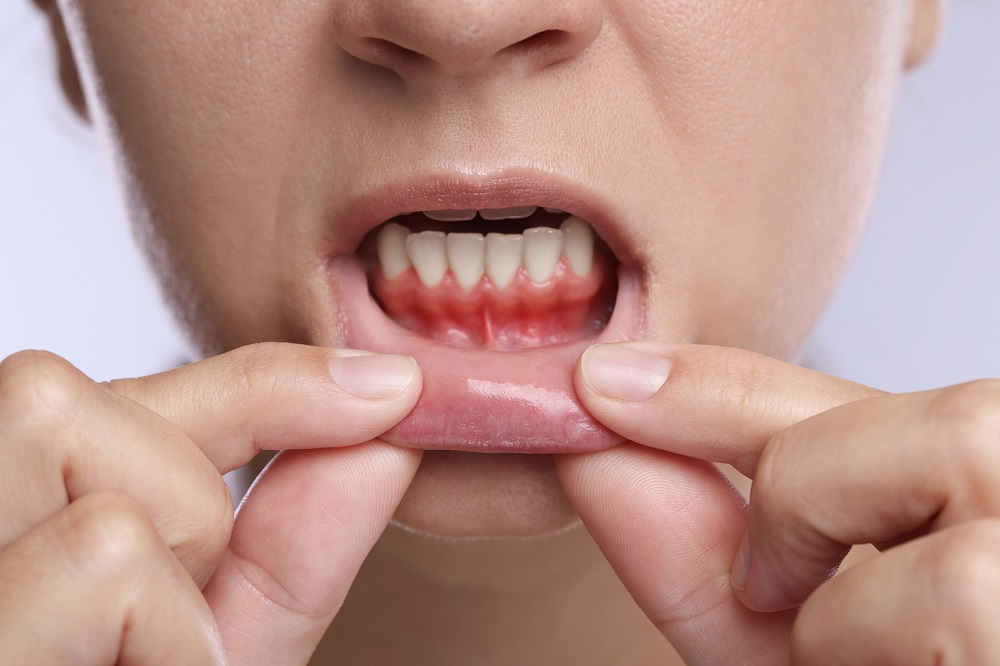

Bleeding gums are easy to dismiss the first few times they happen. A little pink in the sink after brushing, a trace of blood when floss catches a tender spot, mild puffiness along the gumline. Many people assume they brushed too hard or skipped flossing for a few days. Sometimes that is part of the story. More often, bleeding is your gums asking for attention.
In practice, bleeding gums are one of the earliest and most common signs of gum disease. The good news is that early disease is often manageable, and treatment can be straightforward when you act promptly. The harder truth is that gums do not usually heal well if the source of inflammation stays in place. Mouthwash may make things feel fresher. Switching to a softer toothbrush may reduce irritation. Neither fixes the deeper problem if plaque and tartar are building up under the gums.
Periodontal treatment is the broad term for care that targets the supporting tissues around the teeth, especially the gums, the ligament that helps anchor each tooth, and the bone beneath. For beginners, the phrase can sound intimidating, as if it belongs only to severe cases. It does not. Treatment ranges from better home care and a professional cleaning to deeper cleanings below the gumline and, in advanced cases, surgical procedures. The right plan depends on how far the inflammation has progressed.
What bleeding gums usually mean
Healthy gums can tolerate brushing and flossing without bleeding. If your gums bleed often, the most likely reason is inflammation caused by plaque, a sticky film of bacteria that constantly forms on the teeth. When plaque is left in place, especially around the gumline, the bacteria irritate the tissues. The gums swell slightly, become more fragile, and bleed more easily.
At this stage, the condition is often called gingivitis. Gingivitis can usually be reversed. The gum tissue is inflamed, but the deeper support of the teeth has not yet been permanently damaged. That distinction matters. Once the inflammation extends deeper and begins affecting bone and connective tissue, the disease becomes periodontitis. Periodontitis is more serious. It can lead to gum recession, loose teeth, bad breath that lingers despite brushing, and eventually tooth loss.
One thing surprises many patients: bleeding does not always match pain. Gums can bleed significantly with very little discomfort. Some people assume that if they are not hurting, nothing serious is happening. Gum disease does not play by those rules. It often progresses quietly.
There are other possible reasons for bleeding gums, including hormonal changes, certain medications, smoking cessation in the short term, poorly fitting dental work, and less commonly, blood-related medical conditions. Still, plaque-related inflammation remains the leading cause in routine dental settings.
When a routine cleaning is enough, and when it is not
A standard dental cleaning, often called a prophylaxis, is designed for mouths without significant periodontal disease. It removes plaque and tartar above the gumline and addresses minor buildup in accessible areas. If your gums are mildly inflamed but there are no deep pockets around the teeth and no signs of attachment loss, this may be enough when paired with improved daily cleaning at home.
Periodontal treatment becomes necessary when the problem extends below the gumline. Dentists and hygienists measure the depth of the small space between the tooth and gum, called the periodontal pocket. In a healthy mouth, these spaces are shallow and easier to keep clean. When disease is present, the pockets deepen. That creates a sheltered environment where bacteria thrive and regular brushing cannot reach.
This is why some patients feel frustrated after “being good” with brushing https://eduardonzjk550.opalvector.com/posts/how-to-prepare-for-your-first-periodontal-treatment-visit for a week before the appointment and still hearing they need more than a routine cleaning. Home care helps, but it cannot remove hardened tartar beneath the gums, and it cannot reverse deeper pocketing on its own.
What happens during a periodontal evaluation
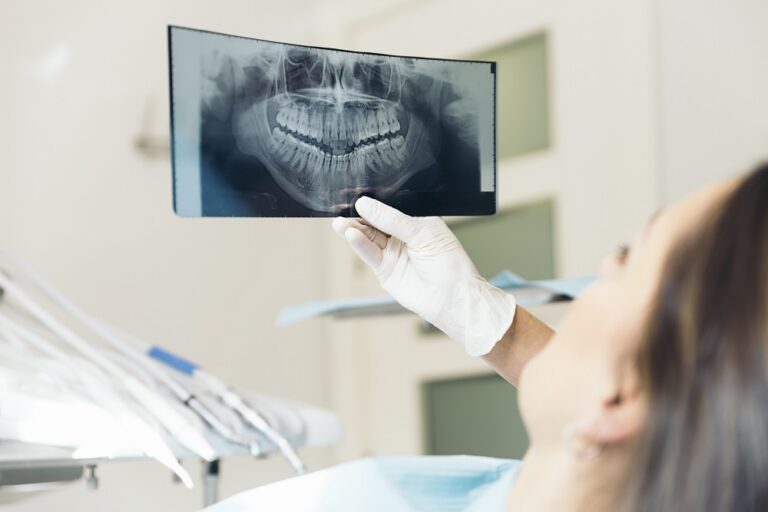
Before recommending treatment, a clinician usually performs a periodontal assessment. This is more than a quick glance at the gums. It often includes measuring the gums around each tooth, checking for bleeding, looking at gum recession, evaluating tooth mobility, and reviewing dental X-rays for bone loss.
The measurements matter because they help distinguish between surface-level inflammation and deeper disease. A patient may hear terms such as “four-millimeter pockets,” “bleeding on probing,” or “localized bone loss.” These are not just technical details. They shape the treatment plan.
A practical example helps. Someone in their thirties may come in with frequent bleeding when flossing and a little bad breath. On examination, the front teeth look fairly normal, but the back molars show deeper pockets and tartar under the gums. In that case, the mouth does not need guesswork or generalized advice. It needs targeted treatment in the areas where bacteria are hiding.
The most common forms of periodontal treatment
For beginners, the range of periodontal treatment can seem overwhelming. In reality, most care falls into a few clear categories.
- Professional cleaning for gingivitis or mild inflammation without deep disease
- Scaling and root planing, often called a deep cleaning, for pockets and tartar below the gumline
- Periodontal maintenance visits after active treatment to prevent relapse
- Localized antimicrobial therapy in selected cases
- Surgical periodontal treatment when non-surgical care is not enough
The most common non-surgical treatment for bleeding gums related to periodontitis is scaling and root planing. During this procedure, instruments are used to remove plaque, bacteria, and tartar from below the gumline. The root surfaces are smoothed so the gums can reattach more effectively and so bacteria have a harder time sticking.
This is often done by quadrant, treating one section of the mouth at a time under local anesthetic. Patients who have never had it sometimes expect something dramatic. Usually, it feels more like a longer, deeper version of a cleaning with numbing to keep it comfortable. The gums may be sore afterward, and there can be some sensitivity, especially to cold. That discomfort is typically manageable and temporary.
Localized antimicrobials are sometimes placed in deeper pockets after cleaning. These may help in specific areas, but they are not a substitute for physically removing the bacterial deposits. In real-world care, there is no shortcut around that.
Surgery enters the picture when pockets remain too deep, gum contours make cleaning difficult, or there is advanced tissue damage. Procedures vary. Some reduce pockets by allowing better access for cleaning the roots. Others regenerate lost supporting structures in carefully selected cases. Surgery is not the default starting point for most people with bleeding gums. It is the next step when simpler measures have not solved the problem.
What deep cleaning actually does, and what it does not do
Patients often ask if deep cleaning “cures” gum disease. The honest answer is that it controls disease rather than erases your history. Once you have had periodontitis, you remain more vulnerable to recurrence. The tissues can become healthier. Bleeding can stop. Pockets can shrink. The mouth can stabilize for years. But that stability depends on maintenance.
Deep cleaning also does not regrow every bit of bone that may have been lost. The body can tighten inflamed tissues once bacterial irritation is reduced, and sometimes the improvement is dramatic. But treatment has limits, especially in long-standing disease.
That said, non-surgical periodontal treatment is highly effective in many cases. I have seen patients whose gums bled almost every time they brushed return six weeks later with far healthier tissue and far less bleeding. The difference is often visible before a probe ever confirms it. The gums look firmer, less shiny, and less swollen. They stop reacting at the slightest touch.
Why gums may bleed more when you first restart flossing
This point deserves attention because it causes a lot of confusion. Many people stop flossing because it makes their gums bleed, then interpret the bleeding as proof that flossing is harmful. Usually the opposite is true. Inflamed gums bleed because they are already unhealthy. When you begin cleaning between the teeth consistently, the bleeding may continue for several days or even a couple of weeks. If technique is gentle and regular, it often improves as inflammation settles.
There is an important distinction here. Random, forceful flossing done once every ten days can cut the gum and cause trauma. Gentle daily flossing or interdental brushing is different. In clinical settings, people who stick with consistent plaque control almost always see less bleeding over time, not more.
If the bleeding remains heavy, localized to one area, or continues despite careful home care and professional cleaning, the mouth needs a closer look. A cracked tooth, defective filling margin, deep pocket, or other localized problem may be present.
What to expect after treatment
Most people tolerate periodontal treatment well, especially when they know what is normal afterward. Gums may feel tender for a few days. Cold sensitivity is common if tartar has been removed from exposed root surfaces. Some patients notice their teeth look slightly longer after inflammation subsides. That is not because treatment harmed the gums. It is because swollen tissue had been masking the true shape of the tooth.
Bleeding usually decreases within days if the area is kept clean. Breath often improves quickly, which patients appreciate even before the gums fully heal. Follow-up is important because the response to treatment varies. Some sites improve beautifully. Others remain deeper and need more attention.
Healing also depends on habits. Smoking slows recovery and makes gum disease harder to control. Poorly managed diabetes can do the same. Dry mouth adds another challenge because saliva normally helps buffer bacteria and clear debris.
Home care makes or breaks the result
Periodontal treatment in the office is only part of the process. The daily habits between visits are what preserve the gains. Patients sometimes hope a deep cleaning is like getting a cavity filled, one appointment and done. Gum health rarely works that way. The bacteria that caused the problem are part of the normal oral environment. The goal is ongoing control, not a one-time reset.
A good home routine is not complicated, but it does need consistency.
- Brush twice a day with a soft-bristled toothbrush, angling the bristles gently toward the gumline
- Clean between the teeth once a day with floss, floss picks, or interdental brushes, depending on the spaces
- Use any prescribed antimicrobial rinse exactly as directed, not indefinitely without guidance
- Replace worn toothbrush heads regularly, usually every three months or sooner if frayed
- Keep follow-up and maintenance visits, even if your gums feel better
Technique matters as much as effort. Scrubbing aggressively can wear the teeth and irritate the gums without removing plaque effectively at the margin where it matters most. A calm, methodical approach works better. Electric toothbrushes help many people because they reduce guesswork and encourage enough brushing time, but a manual brush can work very well in skilled hands.
Interdental brushes are especially useful for patients with gum recession, bridges, or wider spaces between teeth. Floss is excellent for tight contacts, but it is not the only right answer. This is one area where personalized advice from a hygienist can save months of trial and error.
The role of maintenance visits
After active periodontal treatment, many patients are placed on periodontal maintenance rather than ordinary six-month cleanings. That can feel like semantics, but there is a real difference. Maintenance visits are designed for mouths with a history of periodontal disease. They focus on monitoring pocket depths, managing bacterial recolonization, and catching recurrence early.
The interval is often every three or four months, especially at first. That schedule is not arbitrary. Harmful bacteria can repopulate periodontal pockets relatively quickly, and people with prior disease tend to need tighter supervision. Some patients can eventually stretch longer between visits if their gums remain stable and their home care is excellent. Others do best on a shorter schedule for years.
One pattern shows up often in practice. A patient completes deep cleaning, sees real improvement, then skips maintenance because the mouth feels fine. Nine or twelve months later, the bleeding returns, pockets deepen again, and the work has to be repeated. Gum disease rewards consistency and punishes long gaps.
Cost, value, and why delaying often costs more
People understandably worry about the cost of periodontal treatment. Fees vary by region, by the extent of disease, and by whether treatment is surgical or non-surgical. Insurance may cover part of it, though coverage is often limited. What matters from a long-term perspective is that untreated periodontal disease tends to become more expensive, not less.
Mild gingivitis is cheaper to manage than moderate periodontitis. Saving a tooth with early intervention is usually more economical than extracting it, replacing it, and then managing the surrounding structures. Beyond finances, there is the practical cost of worsening sensitivity, chewing difficulty, chronic bleeding, and the embarrassment many people feel about persistent bad breath.
There is also a quality-of-life issue that rarely gets discussed enough. Patients with inflamed gums often adapt slowly to the problem. They avoid certain foods, floss less because it bleeds, smile differently because the gums look puffy, or become self-conscious about odor. Once the gums recover, they often realize how much background stress they were carrying.
Situations that need prompt attention
Bleeding gums are common, but some patterns deserve faster evaluation. Persistent bleeding in one area, swelling that comes and goes, pus, a bad taste from around a tooth, teeth that feel loose, or tenderness when biting can suggest a localized periodontal infection or another dental problem. Heavy spontaneous bleeding without brushing or flossing is not something to brush off.
Pregnancy deserves special mention. Hormonal changes can make gums react more intensely to plaque, and pregnancy gingivitis is common. That does not mean bleeding should be ignored. In fact, excellent plaque control and timely dental care become more important.
People with braces, retainers, crowns, or bridges also face extra cleaning challenges. These restorations are not harmful on their own, but they create more edges and niches where plaque can hide. Bleeding around dental work is often a sign that cleaning methods need to be adjusted, not abandoned.
Questions worth asking your dental team
If you are facing your first periodontal treatment, ask clear, practical questions. How deep are the pockets, and where are they? Is there bone loss on the X-rays? Are you dealing with gingivitis or periodontitis? Will treatment be done under local anesthetic? What kind of maintenance schedule is likely afterward?
Good periodontal care is not just about performing a procedure. It is about helping you understand what the disease is doing in your mouth and what success will look like. Some patients improve enough with non-surgical care and disciplined home cleaning that surgery never enters the discussion. Others have anatomical challenges, deep defects, or long-standing disease that requires more. A trustworthy plan reflects your specific findings, not a one-size-fits-all script.
The first step is usually the most important one
For many beginners, the biggest obstacle is not the treatment itself. It is the delay before seeking care. Bleeding gums feel easy to tolerate because they are so common. Yet common does not mean harmless.
If your gums bleed regularly, especially if the problem has lasted more than a week or two, schedule an evaluation. The appointment may reveal something simple and reversible. If the disease is deeper, catching it now gives you far better odds of stabilizing the mouth with less invasive care.
Periodontal treatment sounds technical, but at its core it is about reducing infection, calming inflammation, and preserving the structures that keep your teeth in place. When patients understand that, the process becomes less intimidating. It stops sounding like a punishment for bad brushing and starts making sense as preventive care for tissues that are trying to heal.
Avra Dental
Address: 1708 S Victoria Ave B, Ventura, CA 93003
Phone number: (805) 941-1001
FAQ About Periodontal Treatment
Can a dentist get rid of periodontal disease?
A dentist or gum specialist (periodontist) cannot fully cure or reverse advanced periodontal disease (periodontitis), but they can successfully stop its progression and manage the infection.
Is periodontitis very serious?
Yes, periodontitis is a very serious, advanced form of gum disease that destroys the bone and tissues supporting your teeth.
How is stage 2 periodontal disease treated?
Stage 2 periodontal disease (early to moderate periodontitis) is primarily treated with non-surgical deep cleaning procedures like scaling and root planing to remove bacteria and tartar below the gumline.
Ends · HECTORKBXZ459